Radon Testing
What is rando testing?
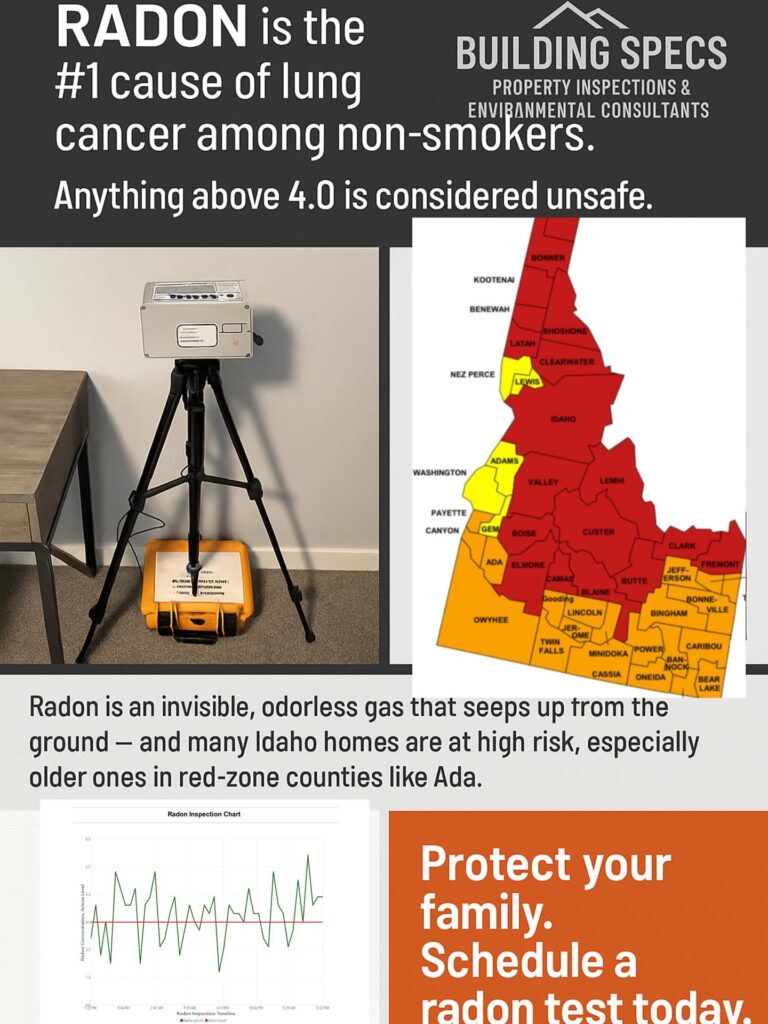
Radon testing is the process of measuring the level of radon gas in a building, home, office, or other indoor environment to determine whether it is safe for occupants. Radon is a naturally occurring radioactive gas that forms from the breakdown of uranium in soil, rock, and water. It is colorless, odorless, and tasteless, which makes it impossible to detect without proper testing equipment.
Radon gas can enter buildings through cracks in floors, walls, foundations, basements, and other openings. Over time, high levels of radon indoors can become dangerous to human health. Long-term exposure to radon is one of the leading causes of lung cancer, especially for smokers and people frequently exposed to high concentrations.
Radon testing helps identify whether the indoor air contains unsafe levels of radon gas. The testing process usually involves placing a radon detector or testing device in the lowest occupied level of a building for a specific period. These devices measure the concentration of radon in the air and provide accurate results about indoor safety conditions.
Why Radon Testing Are Important?
Radon testing is important because it helps detect dangerous levels of radon gas inside homes, offices, schools, and other buildings. Since radon is invisible, odorless, and tasteless, testing is the only reliable way to know whether a property is safe from radon exposure.
1. Protects Human Health
The main reason for radon testing is to protect people from serious health risks. Long-term exposure to high levels of radon gas can damage the lungs and increase the risk of lung cancer. Radon is considered one of the leading causes of lung cancer after smoking.
2. Detects Invisible Dangers
Radon gas cannot be seen, smelled, or tasted. A building may appear completely safe while still containing harmful radon levels. Testing helps identify these hidden dangers before they affect occupants.
3. Improves Indoor Air Safety
Radon testing helps ensure that indoor air quality is safe for families, employees, students, and visitors. Safe indoor environments are essential for long-term health and comfort.
4. Important for Home Buyers and Sellers
Many property buyers request radon testing before purchasing a home or building. Testing provides confidence that the property is safe and meets health standards.
5. Helps Prevent Future Problems
Early detection allows property owners to install radon mitigation systems if needed. This reduces radon levels and prevents long-term exposure.
When Should You Consider radon testing?
Radon testing should be considered whenever there is a possibility that radon gas may be present in your home, office, or any indoor environment where people spend long hours. Since radon is invisible, odorless, and tasteless, the only way to know its level is through proper testing, making it an important safety step in many situations.
You should consider radon testing when buying or selling a property, as it helps ensure the building is safe and gives confidence to both buyers and sellers. It is also highly recommended after moving into a new home or workplace, because radon levels can vary from one building to another depending on the soil, foundation, and ventilation conditions.
Radon testing is especially important if the building has a basement, ground floor, or areas that are in direct contact with the soil. These locations are more likely to allow radon gas to enter through cracks and openings in the foundation. Homes or buildings located in regions known for higher natural radon levels should also be tested regularly as a preventive measure.
You should also consider radon testing after renovations, structural changes, or foundation repairs, as these changes can affect air circulation and radon entry points. If a property has never been tested before, it is strongly recommended to perform at least one radon test to establish a safety baseline.