mold Testing
What is mold testing?
Mold testing is the process of identifying and measuring the presence of mold in a home, building, or indoor environment. It helps determine whether mold exists, what type of mold is present, and how severe the contamination may be. Mold testing is commonly used to evaluate indoor air quality and detect hidden moisture-related problems.
Mold is a type of fungus that grows in damp, humid, or water-damaged areas. It can develop on walls, ceilings, carpets, wood, insulation, furniture, and HVAC systems. Mold spreads by releasing tiny spores into the air, which can affect both property conditions and human health.
Mold testing is performed using specialized tools and techniques to collect samples from the air, surfaces, or building materials. These samples are then analyzed to identify mold types and concentration levels.
Why mold Testing Are Important?
Mold testing is important because it helps detect hidden mold growth, protect health, and prevent damage to buildings. Mold often grows in damp or hidden areas, and without proper testing, it can spread unnoticed and cause serious problems over time.
1. Protects Human Health
Mold exposure can cause allergies, breathing issues, coughing, skin irritation, and worsen asthma. Mold testing helps identify contamination early so people can avoid long-term health risks.
2. Detects Hidden Mold Problems
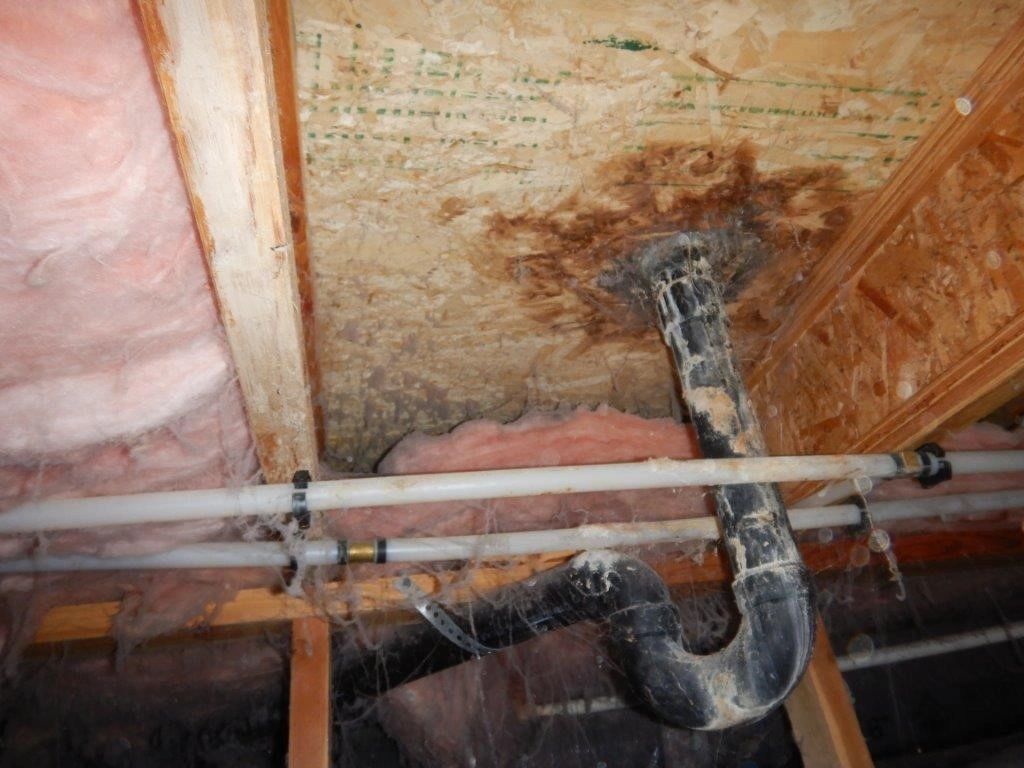
Mold is not always visible. It can grow behind walls, under floors, inside ceilings, or in air ducts. Testing helps find hidden mold that cannot be seen easily.
3. Improves Indoor Air Quality
Mold spores can spread through the air and affect the overall air quality inside a building. Testing ensures the indoor environment is safe and healthy to breathe.
4. Prevents Structural Damage
Mold can slowly damage building materials like wood, drywall, and insulation. Early detection helps prevent expensive repairs and structural weakening.
5. Identifies Moisture Issues
Mold growth is usually caused by excess moisture or water leaks. Testing helps locate the source of moisture so the root problem can be fixed.
6. Protects Sensitive Individuals
Children, elderly people, and those with respiratory conditions are more sensitive to mold exposure. Testing helps create a safer environment for them.
When Should You Consider mold testing?
Mold testing should be considered whenever there is a chance of moisture buildup, water damage, or signs that mold may be growing inside a building. Since mold often develops in hidden areas, testing helps confirm its presence, type, and severity so proper action can be taken.
You should consider mold testing after any water damage or flooding. Even small leaks from pipes, roofs, or windows can create damp conditions where mold starts growing within a short time. Testing helps detect mold early before it spreads. If you notice visible mold on walls, ceilings, floors, or furniture, it is important to do mold testing. It helps identify how widespread the contamination is and whether it is affecting indoor air quality.
A musty or damp smell inside a home or building is another strong sign. Even if mold is not visible, this odor often indicates hidden mold growth behind walls, under flooring, or in ventilation systems, which can only be confirmed through testing.Mold testing is also recommended when people inside the building experience unexplained health symptoms such as allergies, coughing, sneezing, eye irritation, headaches, or breathing problems that improve when they leave the environment.
Before buying or renting a property, mold testing is a smart step to ensure the building is safe and free from hidden mold issues that could cause future health or repair problems.
It is also important after renovation or construction work, especially if there was previous water damage or moisture exposure. Renovations can expose hidden mold or create conditions where mold can grow.
Overall, mold testing should be considered whenever there are moisture concerns, health symptoms, visible signs, or uncertainty about indoor air quality, as it helps maintain a safe and healthy living or working environment.